Blog
Understanding the Challenges and Solutions in Urban Excavation Projects
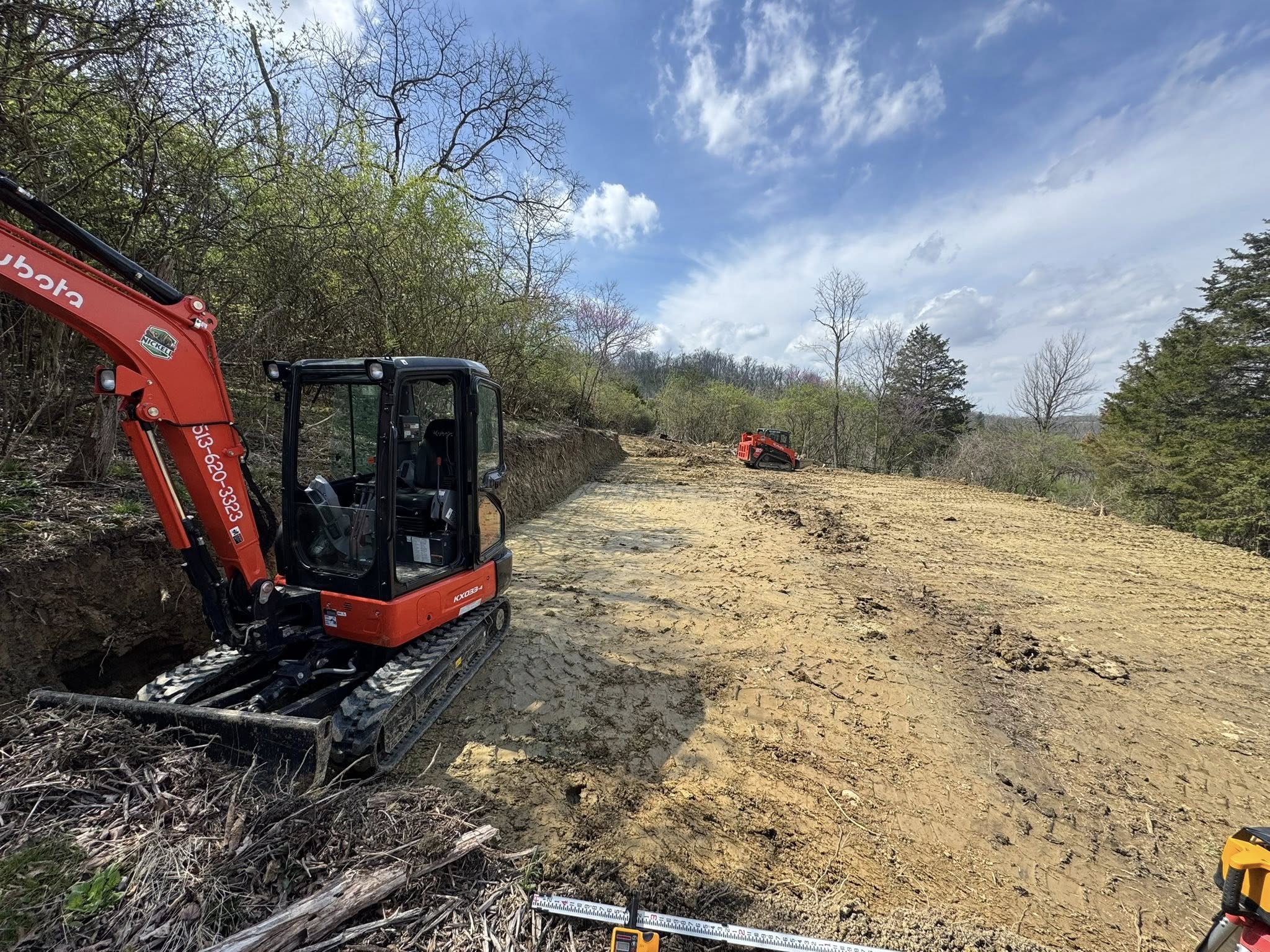
One of the foremost challenges in urban excavation is limited space. Cities are often densely populated, which can complicate the logistics of moving heavy machinery and materials. The tight quarters require precise planning to ensure that the excavation does not disrupt surrounding infrastructure or the daily lives of residents. The solution is employing advanced technology such as GPS and laser-guided equipment, which allows for precise digging and reduces the risk of error. Additionally, careful scheduling and collaboration with local authorities can minimize disruptions and ensure smooth operations.
Traffic management is another significant concern. Urban areas typically experience high volumes of traffic, which can interfere with excavation projects. Proper traffic management plans must be in place to reroute vehicles safely without causing undue congestion. Coordination with city planners to create temporary detours and implementing signage can help guide traffic around the excavation site more efficiently. This proactive approach not only keeps traffic moving but also ensures the safety of workers and pedestrians.
In urban environments, underground utilities like gas lines, water pipes, and electrical cables pose inherent risks. Damaging these utilities during excavation can lead to serious safety hazards and costly repairs. Therefore, a comprehensive understanding of the existing utility layout is crucial before beginning any project. Employing subsurface utility engineering services and utilizing ground-penetrating radar technology can accurately identify the location of these utilities, reducing the chance of accidental damage and ensuring a safer working environment.
Environmental considerations also play a significant role in urban excavation projects. Protecting the environment is paramount as sites often contain sensitive ecosystems or are near water bodies. Adhering to local environmental regulations and implementing best practices in waste management are necessary steps. Utilizing techniques that minimize land disturbance and employing erosion control measures can mitigate the environmental impact. Moreover, using eco-friendly machinery and opting for materials that are less harmful to nature further supports sustainable excavation practices.
Communication is a key element that influences the success of urban excavation projects. With multiple stakeholders involved, including municipal authorities, construction teams, and residents, clear and open communication helps align expectations and keep everyone informed of project progress. Regular updates through community meetings or digital platforms can address concerns in real time and foster a cooperative atmosphere.
Finally, adhering to timelines and budgets is always a challenge in urban excavation. Delays can lead to increased costs and stakeholder dissatisfaction. To keep the project on track, thorough project planning and contingency strategies are essential. Regularly reviewing progress and being adaptable if plans change can prevent costly overruns.
In conclusion, urban excavation projects epitomize the complexity and demands of modern-day construction efforts. By leveraging technology, maintaining safety standards, and ensuring open communication, Nickell Plumbing & Excavating LLC can effectively tackle these challenges. Understanding these potential obstacles and their solutions not only facilitates successful project completion but also enhances the reputation of companies as reliable and competent service providers in the field of excavation.